
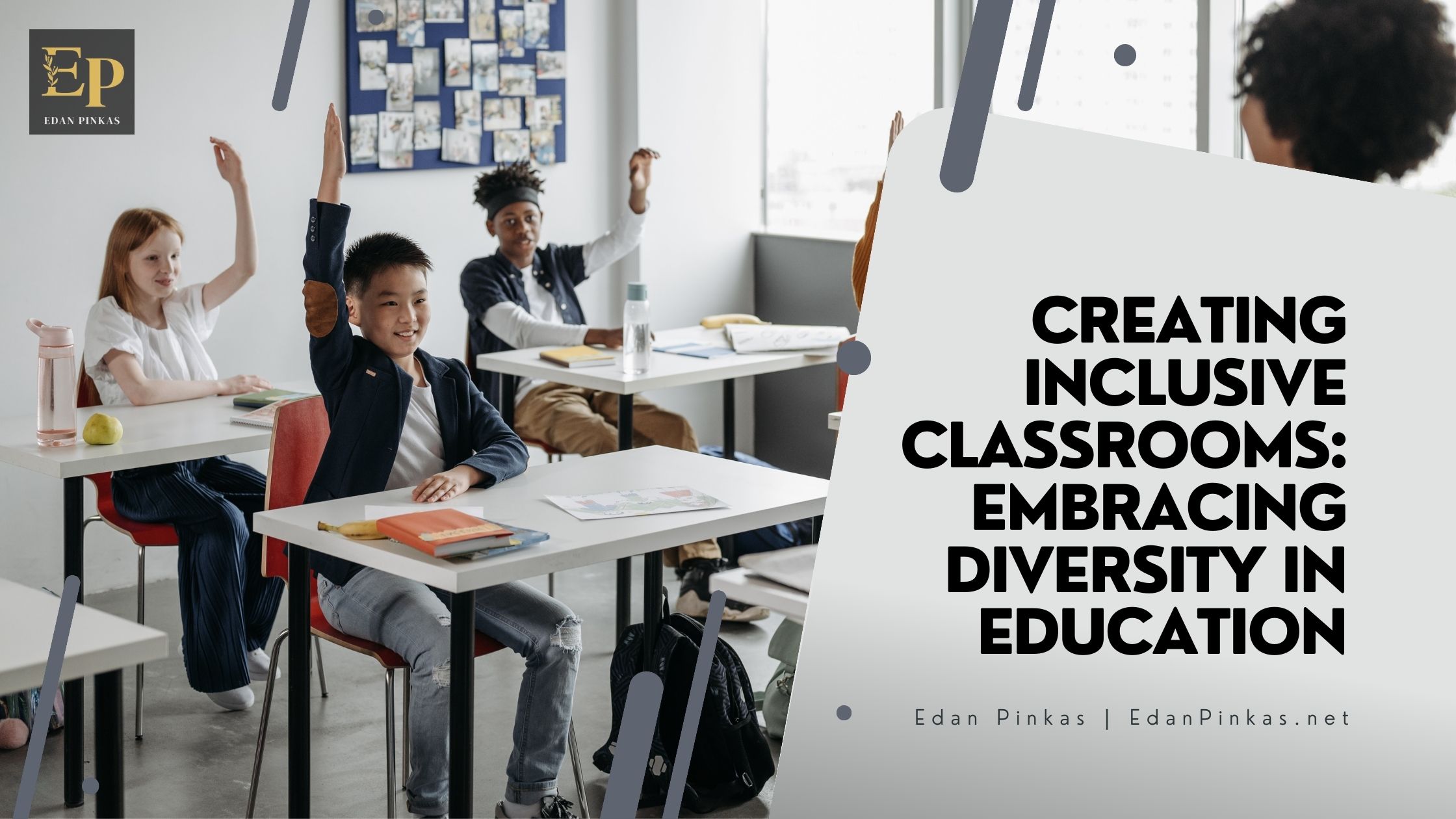
Creating inclusive classrooms cannot be overstated in an ever-changing and interconnected world. Education is a powerful tool that shapes the minds of future generations, and fostering diversity within classrooms is not just a moral imperative but also a strategic investment in developing well-rounded, empathetic individuals.
The Power of Inclusive Classrooms
Inclusive classrooms go beyond mere tolerance; they celebrate and harness the power of diversity. Students from different backgrounds, cultures, and abilities bring unique perspectives and experiences to the learning environment. Embracing this diversity enriches the educational experience for everyone, preparing students for a globalized world where collaboration, understanding, and empathy are essential skills.
Challenges to Inclusivity
Despite the clear benefits of inclusive classrooms, educators may need help in implementation. These challenges can include resistance from some students or parents, a lack of resources, and insufficient training in diversity and inclusion for educators. Acknowledging these obstacles is the first step in overcoming them and creating a more inclusive learning environment.
Cultivating Cultural Competence
Cultural competence is a critical component of inclusive education. Educators must understand and appreciate their students’ cultural backgrounds to create an environment that respects diversity. Professional development programs, workshops, and ongoing training can help teachers develop cultural competence and create classrooms where every student feels seen and valued.
Curriculum Representation Matters
The materials and content used in the classroom play a crucial role in shaping students’ perspectives. Inclusive classrooms require curriculum representation that reflects the diversity of the student body. This includes diverse authors, historical figures, and perspectives. A curriculum that represents a variety of voices helps students connect with the material and see themselves reflected in their education.
Promoting Inclusive Teaching Practices
Inclusive teaching practices actively engage all students, recognizing and accommodating diverse learning styles and needs. Differentiated instruction, flexible assessment methods, and collaborative learning experiences cater to each student’s unique strengths. Teachers can also create an inclusive classroom environment by using diverse teaching materials, incorporating multimedia resources, and encouraging open discussions that embrace varying viewpoints.
Addressing Unconscious Bias
Unconscious biases can unintentionally affect the way educators perceive and interact with students. Training programs that raise awareness about unconscious bias and its impact on teaching can be instrumental in fostering a more inclusive classroom. By addressing these biases, educators can create an environment where all students feel equally valued and respected.
Creating Safe Spaces
Inclusive classrooms prioritize creating safe spaces where students feel comfortable expressing their identities, opinions, and concerns. Establishing clear anti-bullying policies and fostering a culture of respect and acceptance contribute to a classroom environment where students can focus on learning without fear of judgment or discrimination.
Parent and Community Involvement
Inclusivity extends beyond the classroom walls to involve parents and the broader community. Open communication channels between educators and parents create a collaborative partnership supporting students’ diverse needs. Community involvement can enrich the learning experience by bringing diverse perspectives through guest speakers, cultural events, and community projects.
Creating inclusive classrooms is an aspiration and imperative for fostering a society that values and respects diversity. Educators are pivotal in shaping the future by embracing inclusivity in education. By acknowledging the challenges, cultivating cultural competence, diversifying curriculum representation, promoting inclusive teaching practices, addressing unconscious bias, creating safe spaces, and involving parents and the community, educators can create environments where every student feels a sense of belonging and has the opportunity to thrive. Embracing diversity in education is a commitment to equity and justice and a vital step towards preparing students for a world that celebrates differences and thrives on the strength of its diverse perspectives.